More people now ask AI before they click a website. They ask ChatGPT for the best dentist in Kota Kinabalu. They read a Google AI Overview before they scroll to the first link. They open Google AI Mode to compare web designers and get one long answer back.
If your business is not in that answer, that customer may never see you.
That is why AI SEO matters. This guide explains what AI SEO is, how it is different from normal SEO, how AI tools decide which businesses to mention, and five practical steps you can start this month. It is written for Malaysian business owners, so the examples are local and the language is simple.
If you would rather have an expert do it for you, see our AI SEO services.

Quick Answer: What Is AI SEO?
- AI SEO is making your business easy for AI tools to find, understand, trust and mention.
- It covers Google AI Overviews, Google AI Mode, ChatGPT, Gemini, Perplexity and similar tools.
- It builds on normal SEO. It does not replace it.
- Nobody can guarantee a mention in AI answers. Good work improves your chances.
- You can start with five steps: clear answers, accurate details, reviews, structured data and brand mentions.
What Is AI SEO?
AI SEO is the work of making your business visible inside AI-generated answers. The goal is simple: when a customer asks an AI tool a question about what you sell, your business is named, recommended or linked.
Normal SEO helps your page rank in a list of blue links. AI SEO helps your business appear inside the answer itself.
Other names for AI SEO
You may see different names for the same idea:
- AI search optimization, which is the plain description of the work.
- Answer engine optimization (AEO), because tools like Google AI Mode give answers, not just links.
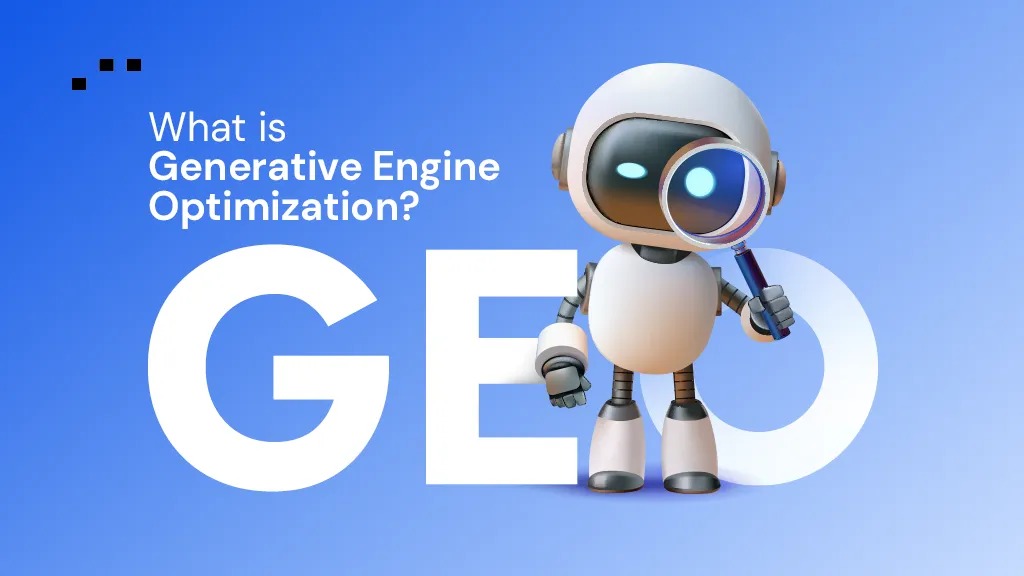
- Generative engine optimization (GEO), because the answers are generated by AI. We explain GEO in more detail in our beginner’s guide to it.
The names have slightly different focus, but the actions are mostly the same. You make your business clear, accurate and trusted, in the places AI tools look.
A simple example
A customer types: “Which clinic in Penampang is good for braces and has evening appointments?”
The AI writes a short answer with two or three clinics. It may add a link to each one. Those clinics got the customer’s attention before anyone visited a website.
AI SEO is the work that helps your business become one of those two or three names.

AI SEO vs Traditional SEO: What Is Different?
AI SEO and traditional SEO share the same base. Both need a good website, useful content and trust. The difference is where the result appears and what you measure.
| Topic | Traditional SEO | AI SEO |
|---|---|---|
| Goal | Rank high in search results | Be mentioned or cited in AI answers |
| Where you appear | A list of links | Inside a written answer |
| What helps most | Keywords, links, page quality | Clear answers, trusted mentions, accurate facts |
| How you measure | Rankings, clicks, traffic | Mentions, citations, enquiries |
| Customer journey | Search, click, compare | Ask, read the answer, often contact directly |
Do you still need normal SEO?
Yes. AI answers often rely on pages that are already easy to find, easy to read and trusted. A website with weak basics is a weak starting point for AI search too.
So do not treat this as a choice. Fix the base with professional SEO services first or at the same time. If you are new to the topic, start with our guide on what SEO is and how it works.
How AI Search Works in Malaysia Today

AI search is not one product. It is a group of tools, and they change fast. Here is where things stand for Malaysian customers as of November 2026.
Google AI Overviews
AI Overviews are short AI summaries that appear at the top of some Google results. They are available in Malaysia. They give the key points and link to sources, so being one of those sources matters.
Google AI Mode
AI Mode is a conversational version of Google Search. A person asks a question, then asks follow-ups, and Google builds longer answers. Google has rolled it out in Malaysia, and it supports Bahasa Malaysia as well as English.
Ads are arriving in AI answers
On 28 October 2026, Google announced that ads in AI Mode are expanding to more countries, including Malaysia. This shows that AI search is becoming a serious place for businesses to be seen. Paid ads can help, but organic mentions still matter because they build trust and cost nothing per click.
ChatGPT, Gemini and other AI assistants
Many people now use AI assistants for research, not only Google. They ask for recommendations, comparisons and prices. Some of these tools can search the web and show sources. Others answer from what they learned in training.
Customers ask in English, Malay and mixed language
Malaysians type questions in many ways. “Klinik gigi buka malam KK”, “best web designer in Sabah” and a mix of both are all normal. Write your pages in the language your customers use, and keep your business facts the same across languages.
Note: AI features change often. Treat any statement about them, including this one, as true at the time of writing, and check for updates.
How Do AI Tools Choose Which Businesses to Mention?

No one outside Google, OpenAI and the other companies knows the exact formula. Be careful with anyone who says they do. But we can see patterns in what AI answers tend to use.
1. Pages that answer the question directly
AI tools look for content that gives a clear answer. A page that states the answer in the first lines is easier to use than one that buries it.
2. Facts that match everywhere
If your website says one phone number, your Facebook page says another, and a directory shows an old address, the AI may not trust any of them. Consistent facts make your business safer to recommend.
3. Trust from other people
Reviews, mentions on other websites and links from respected sources all act as proof. AI tools read what others say about you, not only what you say about yourself.
4. Content that is easy to read for machines
Clear headings, short paragraphs, lists, tables and structured data (schema) help a machine understand what a page is about.
5. Relevance to place and topic
For local searches, the AI needs to connect your business to a service and an area. Your website, your Google Business Profile and local mentions should all say the same thing: what you do and where.
Who Needs AI SEO?

Any business that customers research before buying can benefit. It is especially useful for:
- Local service businesses: clinics, dentists, salons, repair shops, restaurants and contractors.
- Professional services: lawyers, accountants, consultants and agencies, where people ask AI to compare options.
- Tourism and hospitality: tour operators, hotels and dive centres, where visitors plan trips by asking AI.
- Online stores: shops where buyers ask AI “what is the best X under RM500”.
- B2B companies: suppliers and service providers that buyers research before they enquire.
Who can wait?
If you do not yet have a working website or a Google Business Profile, fix that first. AI tools cannot recommend a business they cannot find or verify. Our guide to local SEO in Malaysia is the right place to begin.
5 Practical AI SEO Steps You Can Start This Month
You do not need special tools to begin. These five steps cover most of what matters.
Step 1: Answer your customers’ real questions clearly
This is the most important step. AI tools need clear answers to quote.
- List the questions customers ask you. Look at your WhatsApp chats, emails and phone calls. Write down the top 10.
- Give each question its own section with a heading written as the question.
- Put a short answer first. Use two or three sentences, then add detail below.
- Be specific. Include prices or price ranges, timelines and who the service is for. “Contact us for a quote” is not an answer.
- Update the page each year, and show the date.
For example, a dental clinic should not just say “we offer implants”. It should answer “How much do dental implants cost in Kota Kinabalu?” with a real range, what affects the price and how long treatment takes.
Step 2: Keep your business details accurate everywhere
Check that these facts are exactly the same on your website, Google Business Profile, Facebook, Instagram and any directory:
- Business name (written the same way every time)
- Address
- Phone number and WhatsApp number
- Opening hours, including public holidays
- Main services and the areas you serve
Your Google Business Profile is the most important one. Fill in every section, add real photos, list your services and post updates. If you have not done this yet, follow our steps in the local SEO guide first.
Step 3: Build reviews and real customer proof
Reviews tell AI tools, and customers, that your business is real and good.
- Ask every happy customer for a Google review, ideally within a day or two of the service.
- Send a direct link so it takes one tap.
- Reply to every review, good or bad, in a polite and useful way.
- Encourage customers to mention what they bought and where, in their own words.
Never buy fake reviews. They break platform rules, and they can damage trust if discovered.
Step 4: Add structured data (schema)
Structured data is hidden code that tells search engines exactly what your page contains. It helps machines read your site without guessing.
Useful types for most businesses include:
- Organization or LocalBusiness: who you are, where you are and how to contact you.
- Service: what you offer.
- FAQPage: questions and answers on your pages.
- Review or AggregateRating: only where the reviews are real and shown on the page.
Two rules: the schema must match what people can see on the page, and it will not guarantee a mention. It makes your site clearer, which is the point. You can test your pages with Google’s Rich Results Test.
Step 5: Get your brand mentioned on trusted websites
AI tools learn about your business from the wider web, not only your own site. Mentions on other trusted sites act as proof.
Ways to earn them:
- Get listed in respected local and industry directories.
- Join business associations or chambers and make sure your listing links to you.
- Share useful advice with local news sites, blogs or podcasts.
- Partner with related businesses and mention each other.
- Publish your own research or case studies that others want to quote.
Use your business name in the same form every time, so mentions connect back to you.
A quick technical check
Before you do more, make sure the basics are not blocking you:
- Your key pages are indexed by Google (check in Google Search Console).
- Your robots.txt file is not blocking search and AI crawlers by mistake.
- Your site loads quickly and works well on mobile.
- Important text is real text on the page, not hidden inside images.
What Does Not Work in AI SEO

This area is new, so there is a lot of noise. Be careful with these:
- Guarantees. “We will get you #1 in ChatGPT” is not a promise anyone can keep. AI answers change from one person and one day to the next.
- Keyword stuffing. Repeating “AI SEO” many times does not help a machine that understands meaning.
- Mass-produced AI content. Hundreds of thin pages written by AI add little value and can hurt trust.
- Fake reviews and fake mentions. They are risky and easy to spot.
- Secret tricks. If someone sells a hidden hack, ask for proof from a real client.
- Ignoring normal SEO. Without a strong base, AI work has little to build on.
Real progress comes from being the clearest, most accurate and best-trusted option for your customers.
How to Measure AI SEO Results
AI SEO is harder to measure than rankings, but you can still track it. Use these four methods together.
1. Test with real questions
Make a list of 15 to 20 questions your customers might ask. Once a month, ask them in ChatGPT, Google AI Mode, Gemini and Perplexity. Record:
- Whether your business is mentioned
- Whether your website is linked as a source
- Which competitors appear
- Whether the facts about you are correct
Answers vary, so repeat each question a few times and look at the trend, not a single result.
2. Watch Google Search Console
Look at impressions and clicks for question-style searches and for your main service terms. At the time of writing, Google counts traffic from its AI features inside the normal Search Console reports and does not show it as a separate line.
3. Check your analytics for AI referrals
In Google Analytics, look at referral traffic from sources like chatgpt.com and perplexity.ai. The numbers may be small, but they show which pages AI tools send people to.
4. Track real business results
Rankings and mentions do not pay the bills. Track calls, WhatsApp clicks and form enquiries. Add a simple question to your forms and calls: “How did you hear about us?” You may see “ChatGPT” or “Google AI” start to appear.
How long does it take?
Expect three to six months to see a clear change, longer in competitive industries. Review reports monthly and keep improving.
Can You Do AI SEO Yourself?

Yes, to a point. Steps 1 to 3 are possible for most business owners with a few hours a week. They cost time, not money.
Consider a specialist when:
- You are in a competitive industry or in a big city market like Kuala Lumpur.
- You have several locations or services.
- You do not have time to write, update and track.
- You need schema, technical fixes and a reporting system.
When you choose an agency, ask what they will deliver each month, how they report results and whether you keep ownership of your accounts and website. Avoid anyone who guarantees positions in AI answers.
Frequently Asked Questions About AI SEO
What is AI SEO in simple words?
AI SEO is the work of making your business easy for AI tools like ChatGPT and Google AI Overviews to find, trust and mention when people ask questions about what you offer.
Is AI SEO different from normal SEO?
They overlap, but the goal differs. Normal SEO aims to rank your pages in search results. AI SEO aims to get your business named or cited in AI answers. Strong normal SEO is a good base for AI SEO.
What is AI search optimization?
AI search optimization is another name for AI SEO. It means improving your website and online presence so AI search tools can understand and recommend your business.
Will AI SEO replace traditional SEO?
No. AI answers draw on content that is already findable and trusted online. Businesses still need a good website, useful content and a strong Google Business Profile.
Can I pay to appear in ChatGPT?
Not in a way you can rely on for organic answers. Google does offer ads inside its AI features in some markets, including Malaysia from late 2026, but organic mentions come from clear content, accurate facts and trust.
How long does AI SEO take to work?
Most businesses see early changes in three to six months. Results depend on your industry, competition and how strong your website is today.
Does AI SEO work for small businesses in Malaysia?
Yes. Small local businesses can do well because AI tools often answer local questions such as “best X near me” or “X in Sabah”. Accurate business details, good reviews and clear service pages go a long way.
How do I know if my business appears in AI answers?
Ask the questions your customers ask in ChatGPT, Google AI Mode and Gemini, and note whether you are mentioned. Repeat monthly and track enquiries that mention AI.
Start With the Basics, Then Build
AI search is changing how customers find businesses, but the winning approach is not a mystery. Be clear. Be accurate. Be trusted. Answer real questions, keep your details consistent, collect honest reviews, add structured data and earn mentions on good websites.
Start with the five steps in this guide and test your results every month. If you want a team to audit your site and build a plan, our AI SEO services are built for Malaysian businesses. You can also contact us for a free consultation.



Leave A Comment